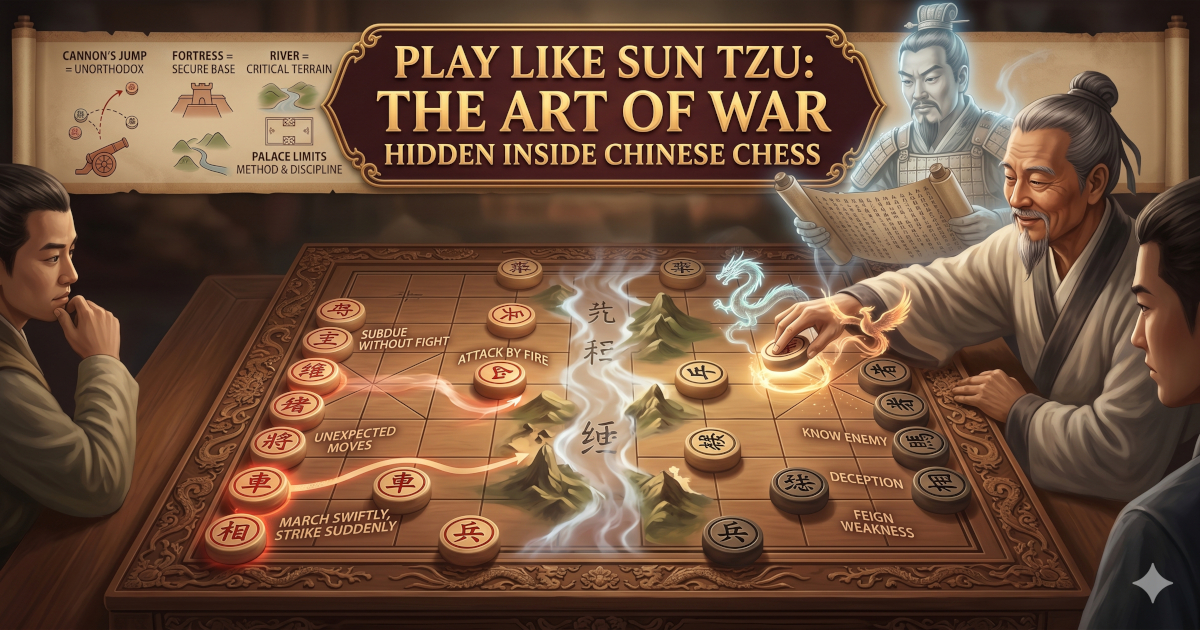
Play Like Sun Tzu: The Art of War Hidden Inside Chinese Chess
Table of Contents
- The Battlefield: "Know the Terrain"
- The Cannon: "All Warfare is Based on Deception"
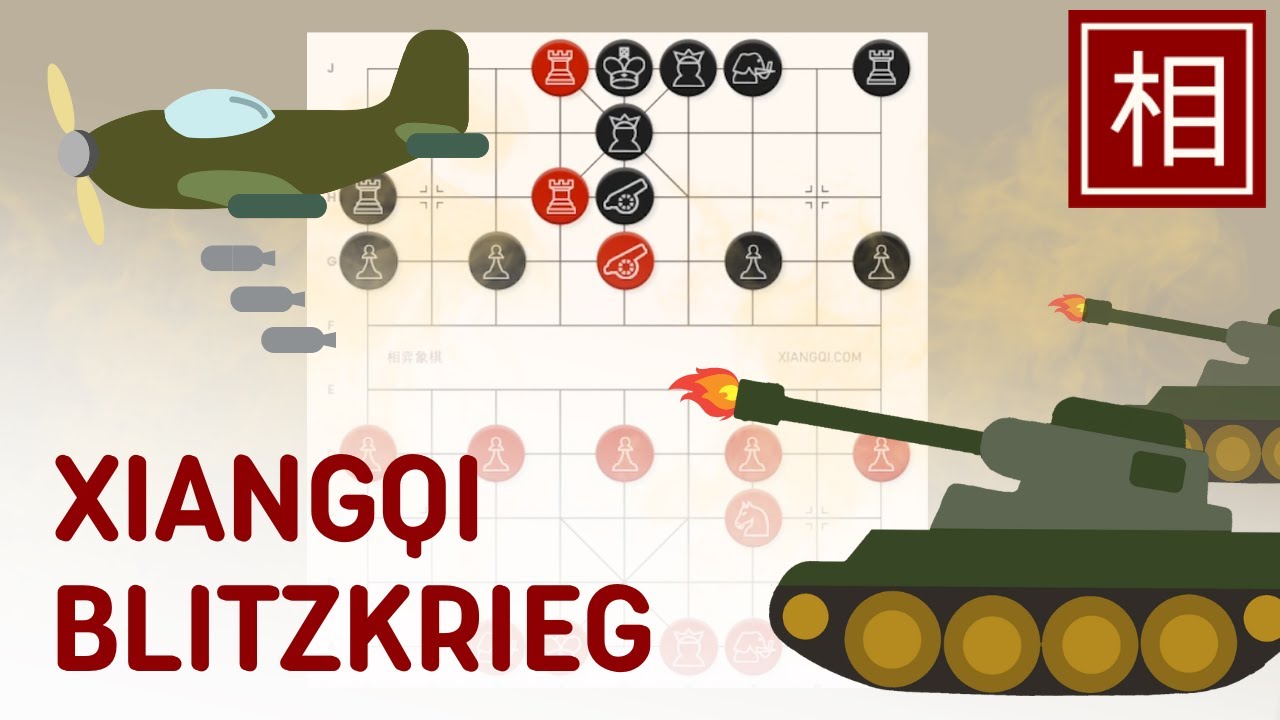
- Lightning Offense: "Let Your Rapidity be That of the Wind"
- Adaptability: The Hobbled Horse
- Perfect Defense: "Invincibility Lies in the Defence"
- Psychological Warfare: The Flying General
- Conclusion: Become a Master Strategist
If you want to understand the mind of an ancient military commander, you could read a history book. Or, you could sit down at a wooden table, arrange thirty-two circular pieces on a grid, and fight a war yourself. For centuries, strategists, generals, and scholars have turned to Sun Tzu’s The Art of War to master the principles of conflict, leadership, and cunning. Written over two millennia ago, this legendary text transcends military history, finding relevance in modern business, sports, and psychology. But if you truly want to see Sun Tzu’s philosophies brought to life in real-time, there is no better arena than the board of Xiangqi, commonly known in the West as Chinese Chess. Xiangqi is not just a casual pastime; it is a sprawling, dynamic simulation of ancient Chinese warfare. Played by hundreds of millions of people globally, its rules, mechanics, and pacing heavily mirror the maxims laid out in The Art of War. If you are a fan of strategy board games, Western chess, or military history, bridging the gap between Sun Tzu's teachings and Xiangqi tactics will completely change how you view the game. Here is how playing Chinese Chess teaches you to play like the ultimate master of strategy.
The Battlefield: "Know the Terrain"
"We are not fit to lead an army on the march unless we are familiar with the face of the country—its mountains, its forests, its pitfalls and precipices, its marshes and swamps." — Sun Tzu
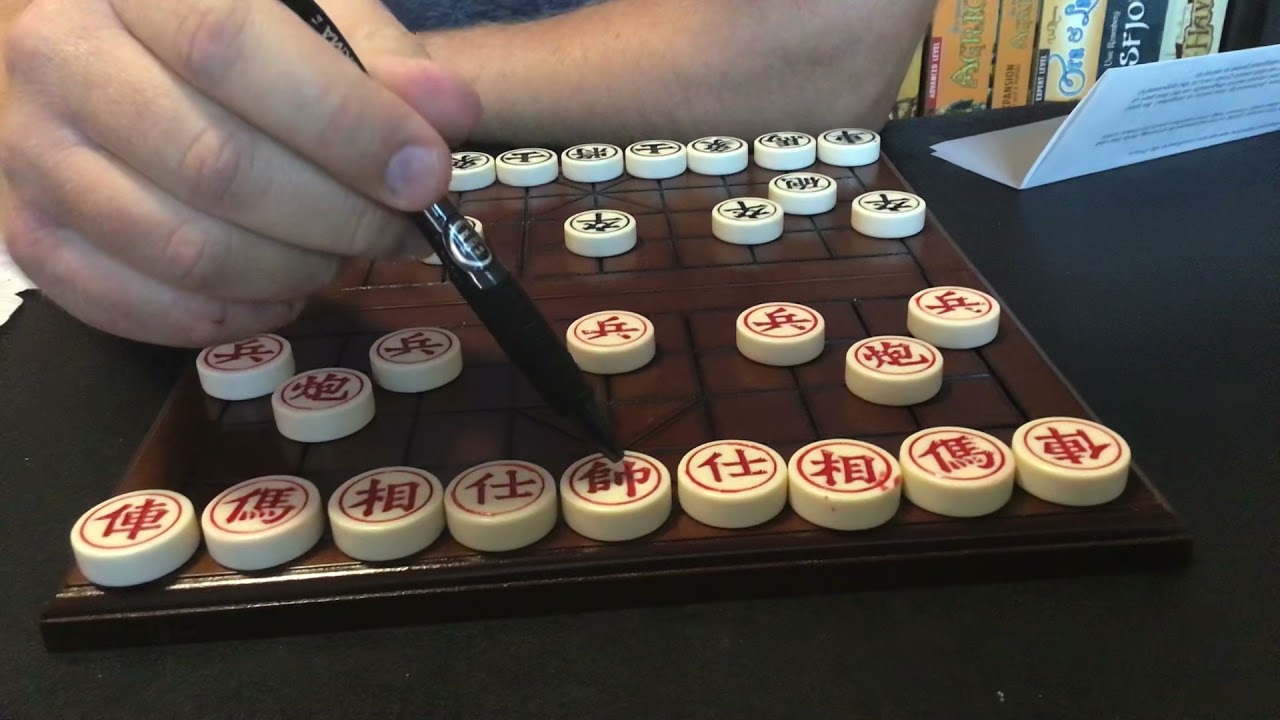
In regular Western chess, the board is an abstract 8x8 checkerboard. It is uniform, geometric, and completely neutral. Xiangqi, however, is a literal map of a battlefield divided by geography. The Xiangqi board consists of a 9x10 grid. Right through the middle runs a blank horizontal space known as the River (historically representing the Chu River and Han Border). On each side of the board, at the back ranks, sits a 3x3 diagonal-lined zone called the Palace. To play Xiangqi successfully, you must deeply understand this terrain:
- The River: Some pieces, like your defensive Elephants, are too heavy to cross the river. They are strictly homeland defenders. Your Pawns (Soldiers), on the other hand, can only move straight forward until they cross the river, after which they gain the power to move sideways. The river dictates the flow of your entire offensive campaign.
- The Palace: Your General (King) and Advisors are confined to this bunker. They can never leave.
Sun Tzu emphasized that geography dictates strategy. In Chinese Chess, you aren't just moving pieces; you are launching cross-river invasions, defending border choke-points, and fortifying a royal bunker.
The Cannon: "All Warfare is Based on Deception"
"Let your plans be dark and impenetrable as night, and when you move, fall like a thunderbolt." — Sun Tzu
Perhaps the most famous quote from The Art of War centers on deception. You must appear weak when you are strong, and strong when you are weak. In Xiangqi, no piece embodies this philosophy better than the Cannon (Pao). The Cannon moves exactly like a Rook in Western chess—in straight lines as far as it wants. However, its capture mechanic is entirely unique. To capture an enemy piece, the Cannon must jump over exactly one other piece (friend or foe), known as a "screen" or "mount." Because of this jumping mechanic, a Cannon's threat is highly deceptive. An enemy General might look completely safe, tucked away behind a wall of defenders. But the moment you slide a piece in front of your Cannon, that "defensive wall" instantly transforms into a screen, and your Cannon delivers a lethal, thunderbolt strike from across the board. Mastering the Cannon requires you to set traps, create illusions of safety for your opponent, and strike from the shadows—pure Sun Tzu.
Lightning Offense: "Let Your Rapidity be That of the Wind"
If you are transitioning from Western chess to Chinese Chess, the first thing you will notice is the blistering speed of the game. Western chess often features slow, methodical openings. Players build pawn walls, carefully develop their minor pieces behind those walls, and wait for the mid-game to engage. Xiangqi has no such patience. The Pawns in Xiangqi are spaced out, meaning there is no dense wall blocking the action. Because the board is open from move one, major pieces like the Chariot (which moves like a Rook and is the most powerful piece on the board) can be deployed almost immediately. A common Xiangqi proverb states, "Never let your Chariot stay at home for more than three moves." In Xiangqi, whoever seizes the initiative controls the game. You must attack unguarded spots with relentless speed, perfectly reflecting Sun Tzu’s mandate that rapid, decisive action overwhelms a hesitant enemy.
Adaptability: The Hobbled Horse
"Water shapes its course according to the nature of the ground over which it flows; the soldier works out his victory in relation to the foe whom he is facing." — Sun Tzu
Flexibility is a core tenet of The Art of War. A rigid army is easily broken. In Xiangqi, the Horse (Ma) teaches the harsh lesson of adaptability. On the surface, the Horse moves similarly to the Knight in Western chess (one point orthogonally, then one point diagonally). However, unlike the Western Knight, the Xiangqi Horse cannot jump over other pieces. If there is a piece sitting directly adjacent to the Horse in the direction it wants to move, the Horse's leg is "hobbled," and it cannot make that move. This creates intensely dynamic and shifting battlelines. A devastating offensive Horse can be completely neutralized just by pushing a Pawn to block its knee. Conversely, a trapped Horse can suddenly be unleashed if a blocking piece is removed. You cannot rely on static plans in Chinese Chess; you must flow like water, adapting your offensive and defensive formations to the ever-shifting "terrain" created by the hobbling mechanics.
Perfect Defense: "Invincibility Lies in the Defence"
"To secure ourselves against defeat lies in our own hands, but the opportunity of defeating the enemy is provided by the enemy himself." — Sun Tzu
While Xiangqi is highly aggressive, a reckless attack will lead to swift destruction. Sun Tzu taught that a commander must first make their own position unassailable before looking for an opening to destroy the enemy. In Chinese Chess, this is achieved through the beautiful symmetry of the Advisors (Shi) and Elephants (Xiang).
- The two Advisors stay in the Palace to physically shield the General.
- The two Elephants patrol the friendly half of the board, blocking enemy Horses and acting as defensive screens for your own Cannons.
A skilled player weaves these pieces together into an interlocking defensive web. If you leave your General exposed to launch a premature attack, a veteran opponent will tear you apart. You must build your fortress first, secure yourself against defeat, and wait for your opponent to overextend.
Psychological Warfare: The Flying General
"The supreme art of war is to subdue the enemy without fighting." — Sun Tzu
Can a piece that cannot leave its bunker project power across the entire board? In Xiangqi, yes. The General (Shuai/Jiang) is permanently trapped in the 3x3 Palace. However, there is a legendary rule known as the "Flying General." The two opposing Generals are never allowed to face each other on the same open file (column) without any pieces sitting between them. Because of this rule, the General acts like a massive, invisible laser beam. If your General sits on an open file, your opponent cannot move their General onto that same file. More importantly, your opponent cannot move a piece out of the way if it would leave the two Generals staring at each other. By simply existing in the right spot within the Palace, the General can pin enemy pieces down, control the center of the board, and even assist in checkmates without ever throwing a punch. It is the ultimate manifestation of subduing the enemy through supreme positioning rather than direct combat.
Conclusion: Become a Master Strategist
The Art of War is a philosophical masterpiece, but reading it is only half the journey. To truly internalize its lessons on terrain, deception, rapidity, defense, and adaptability, you have to put them into practice. Xiangqi (Chinese Chess) is not just a game of capturing an enemy king; it is a profound exercise in military psychology. Every time you maneuver a Chariot, set a trap with a Cannon, or fortify your Palace with Elephants, you are echoing the brilliant strategies of ancient commanders. If you want to sharpen your mind, improve your strategic thinking, and experience one of the greatest strategy board games ever invented, pick up a Xiangqi set. Learn the pieces, study the board, and step onto the battlefield. Sun Tzu is waiting for you.
Comments (0)
You need to log in to join the discussion.
No comments yet. Be the first to share your thoughts!