The Art of the Double Cannon Checkmate (And Why It Feels So Good)
Table of Contents
- The Masterpiece of Xiangqi: The Cannon (Pao)
- Anatomy of the Double Cannon Checkmate
- Why Does It Feel So Good? The Psychology of the Mate
- 1. The "Sniper" Aesthetic
- 2. The Illusion of Safety
- 3. Maximum Efficiency and Synergy
- 4. The Humiliation Factor
- Variations: Taking the Tactic to the Next Level
- How to Set Up the Double Cannon Threat in Your Games
- The Final Clack
There is a universal thrill in the world of abstract strategy games: the moment you slide a piece across the board, release it with a definitive clack, and trap your opponent's king. Checkmate. It is the ultimate intellectual triumph. But while Western Chess has its brilliant smothered mates and elegant back-rank checkmates, players of Xiangqi (Chinese Chess) know that there is one finishing move that stands head and shoulders above the rest in terms of pure, unadulterated satisfaction. Enter the Double Cannon Checkmate. If you are new to Xiangqi, or if you are a veteran player looking to revel in the beauty of your favorite game, you have come to the right place. In this comprehensive guide, we will explore the mechanics of the Double Cannon Checkmate, break down its strategic variations, and dive deep into the psychology of exactly why pulling off this spectacular Xiangqi endgame tactic feels so incredibly good.
The Masterpiece of Xiangqi: The Cannon (Pao)
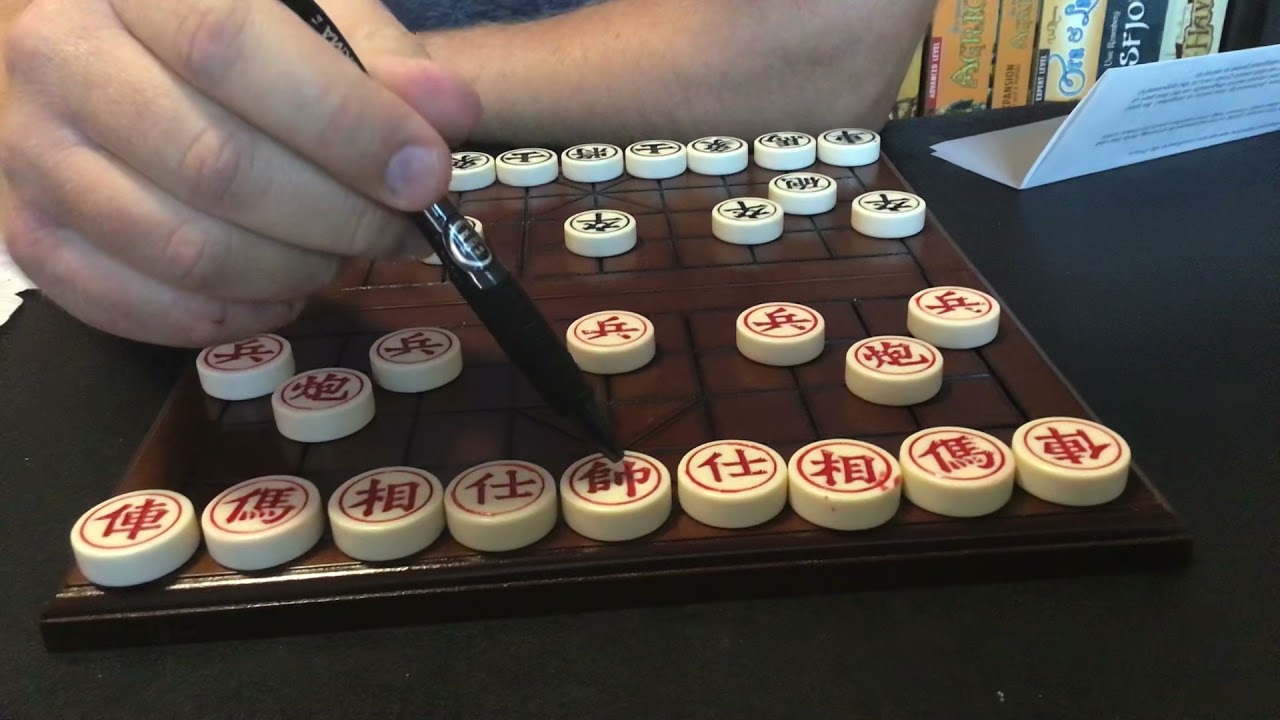
To understand the beauty of the Double Cannon Checkmate, you first need to understand the most unique and dynamic piece on the Xiangqi board: The Cannon (Pao). In Western Chess, there is no equivalent to the Cannon. When it is just moving around the board, the Cannon behaves exactly like a Rook—it can move orthogonally (up, down, left, right) across any number of empty intersections. However, its capturing mechanic is where the magic happens. To capture an enemy piece, the Cannon must jump over exactly one other piece. This intermediate piece is known as the "screen" or the "mount" (often called pao jia in Chinese).
- The screen can be a friendly piece or an enemy piece.
- The Cannon cannot jump over two pieces.
- It cannot capture without jumping.
This unique mechanic makes the Cannon an absolute terror in the opening and mid-game, as the board is cluttered with potential screens. But in the endgame, as pieces are traded off, the Cannon typically loses its power. That is, unless it has a partner.
Anatomy of the Double Cannon Checkmate
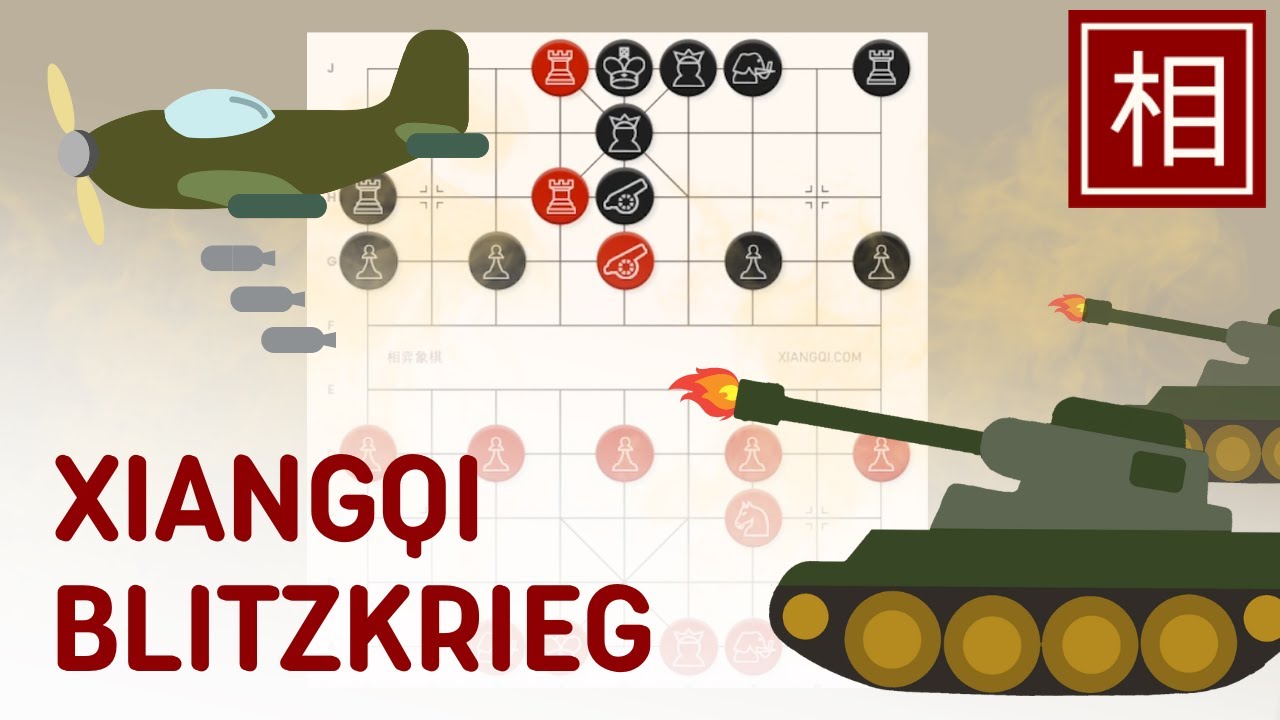
The Double Cannon Checkmate (known as Shuang Pao Jiang) is a magnificent display of synergy. It occurs when two Cannons align on the same file (vertical line) or rank (horizontal line) to attack the enemy General (the equivalent of the King). Here is the step-by-step breakdown of how this devastating trap works:
- The Alignment: The attacking player positions both of their Cannons in a straight line directly aiming at the enemy General.
- The Screen: The front Cannon (the one closest to the General) acts as the "screen" or "mount."
- The Strike: The back Cannon uses the front Cannon as its screen to deliver a direct check to the General.
- The Trap: Because the front Cannon is positioned directly in front of the General, the General cannot simply capture the front Cannon—doing so would just put the General in check from the back Cannon! Furthermore, the General cannot move out of the line of fire if the surrounding intersections are blocked by its own advisors, elephants, or the edge of the palace.
The result is a lethal, inescapable laser beam of mathematical doom. The two pieces perfectly complement each other, covering each other's weaknesses and amplifying their strengths.
Why Does It Feel So Good? The Psychology of the Mate
Executing a Double Cannon Checkmate triggers a massive dopamine hit. But why is this specific pattern so much more satisfying than a standard Chariot (Rook) or Horse (Knight) checkmate? It comes down to a perfect storm of geometry, surprise, and absolute dominance.
1. The "Sniper" Aesthetic
There is a distinct "sniper" quality to the Cannon. Because it can strike from across the entire board as long as there is a screen, a Double Cannon attack often comes from deep within your own territory. You aren't brawling in the mud; you are setting up a high-precision artillery strike from afar. Watching your opponent desperately try to untangle their defenses while your Cannons sit safely out of reach is immensely satisfying.
2. The Illusion of Safety
In Xiangqi, the General is confined to a 3x3 area called the "Palace." Often, players feel safe when their General is tucked away behind their defensive Advisors and Elephants. The Double Cannon Checkmate shatters this illusion. It cuts straight through the noise. In many variations of this mate, the opponent's own defensive pieces act as the walls of their tomb, preventing the General from sidestepping the Cannon's line of fire.
3. Maximum Efficiency and Synergy
Humans love patterns, and we love efficiency. The Double Cannon Checkmate represents the pinnacle of piece synergy. One piece becomes the weapon, while the other becomes the catalyst for that weapon. Neither could achieve the checkmate alone in that specific board state, but together, they create an impenetrable lock. It is the ultimate "teamwork makes the dream work" scenario on a wooden board.
4. The Humiliation Factor
Let’s be honest—there is a tiny bit of ego in every board game victory. Because the Cannon requires a screen to attack, it forces the opponent to realize that they could have stopped it if they had just moved a piece to block the alignment, or if they hadn't allowed the Cannons to double up in the first place. The checkmate often feels like a slow, looming inevitability that the opponent simply failed to see until it was too late.
Variations: Taking the Tactic to the Next Level
While the standard Double Cannon Checkmate is beautiful, advanced Xiangqi strategy features several breathtaking variations of this concept:
- The Smothered Double Cannon: Sometimes, you don't even need the front Cannon to be right in the General's face. If the General is blocked by its own Advisors, you can place the two Cannons further back. The enemy's inability to move out of the file makes the back-rank artillery strike lethal.
- The Chariot-Cannon Synergy (The "Iron Bolt"): While not strictly a double cannon, a similar feeling is achieved when a Cannon uses a Chariot (Rook) as a screen to check the General. If the General cannot capture the Chariot (because it's protected), the game ends instantly.
- The Centered Double Cannon: This occurs right down the middle file of the board. Pinning the opponent's central pieces and stacking two Cannons down the middle of the board completely paralyzes the enemy's development and often leads to a suffocating mid-game checkmate.
How to Set Up the Double Cannon Threat in Your Games
If you want to start experiencing the joy of this checkmate in your own games, you need to actively look for the setups. It rarely happens by accident. Here are three crucial Xiangqi tips to master the tactic:
- Control the Open Files: Cannons need open lanes to operate. Clear out pawns and trade off minor pieces to create long, unobstructed vertical or horizontal lines where your Cannons can double up.
- Look for Paralyzed Generals: The Double Cannon is most effective when the enemy General is stuck. Pay attention to moments when your opponent’s General is blocked from moving left or right by their own pieces.
- The "Fake Out" Screen: Use your Chariots or Horses to act as temporary screens for a single Cannon. Once the opponent adjusts to defend that threat, slide your second Cannon in behind the first one to spring the real trap.
The Final Clack
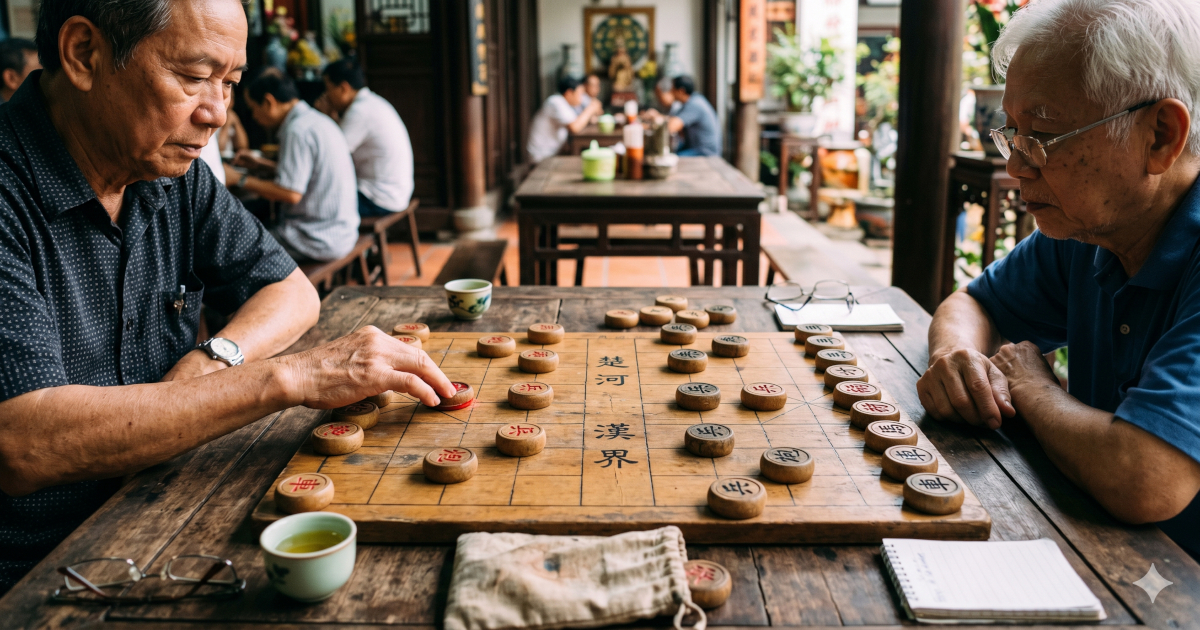
The Double Cannon Checkmate is more than just a winning move; it is a testament to the elegant, interconnected design of Xiangqi. It teaches players about the importance of positioning, the danger of long-range threats, and the devastating power of synergy. Next time you sit down for a game of Chinese Chess, keep your Cannons close and your eyes on the enemy Palace. Look for that perfect alignment. Set the screen. And when you finally slide that second Cannon into place, take a moment to savor the crisp clack on the board—because there are few things in gaming that feel quite as good.
Comments (0)
You need to log in to join the discussion.
No comments yet. Be the first to share your thoughts!