Mastering the Art of Sacrificing a Piece for Attack in Xiangqi
Table of Contents
- The Strategic Purpose Behind Attacking Sacrifices
- Classic Sacrifice Tactical Patterns
- 1. The Double Cannon Iron Gate Sacrifice
- 2. The Cross-Palace Horse Sacrifice
- 3. The Chariot-for-Advisor Sacrifice (Smothered Mate Prep)
- 4 Rules for Executing a Successful Attacking Sacrifice
- Rule 1: Count Your Attacking Units
- Rule 2: Evaluate the Speed of the Counter-Attack
- Rule 3: Deny the Opponent Trades
- Rule 4: Identify the "Point of No Return"
- Summary Matrix: Material Value vs. Tactical Gain
- Conclusion: Practice Sacrificial Calculation
In Xiangqi (Chinese Chess), material advantage is highly valued, but positional initiative is paramount. While beginner players focus on protecting every single unit, advanced players understand that a piece is merely a resource. Embracing the strategy of sacrificing piece for attack in xiangqi is the definitive turning point that elevates a casual player into a master tactician. A tactical sacrifice (弃子 - Qì Zǐ) is not a blunder; it is a calculated investment. By giving up a Horse, Cannon, or even a Chariot, you intentionally break the material balance to force a structural collapse in the enemy's formation. This comprehensive guide breaks down the psychological foundations, standard tactical setups, and execution principles of attacking sacrifices in Xiangqi.
The Strategic Purpose Behind Attacking Sacrifices
You should never sacrifice a piece simply because an attack looks promising. Every high-level sacrifice is executed to achieve at least one of four critical tactical goals:
- Clearing a Lane (Line Opening): Sacrificing a piece to open a vital file or rank for your Chariot or Cannon to deliver an immediate threat.
- Defensive Destruction: Forcing an opponent's Advisor or Elephant to move out of position, permanently exposing their General's Palace.
- Decoying the Enemy: Luring an opponent's piece to an unfavorable square where it blocks its own teammates or falls into a tactical fork.
- Gaining Tempos (Time Advantage): Surrendering material to gain consecutive forcing moves, allowing your remaining army to outpace the defender.
Classic Sacrifice Tactical Patterns
Recognizing standard sacrificial patterns allows you to spot opportunities in live matches instantly. Here are the most famous attacking sacrifices used in competitive Xiangqi.
1. The Double Cannon Iron Gate Sacrifice
The Iron Gate (鐵門栓) is a classic mating net where a central Cannon pins the opponent's pieces, allowing a Chariot to execute a checkmate on the rib file. To set this up against a strong defense, players often sacrifice a Horse or a Pawn on the central file. This forces the opponent's central Advisor or Elephant to move, clearing the path for your Cannon to clamp down on the central line. Once the center is locked, the defending General is completely paralyzed.
2. The Cross-Palace Horse Sacrifice
The Cross-Palace Horse (臥槽馬) rests on the opponent's Advisor line, threatening immediate checkmate. text
   [Black Palace]
   .   将   .
   .   |  (Horse Sacrifices here to break Advisor)
=======|======= (River)
   .   |   .
   .   帅   .
   [Red Palace]
When an opponent blocks the Horse's path using an Elephant, an advanced player will often sacrifice a Pawn or a Cannon directly in front of that Elephant. Once the Elephant captures your bait, the foot-lock is broken, and your Horse leaps into the Palace with devastating velocity.
3. The Chariot-for-Advisor Sacrifice (Smothered Mate Prep)
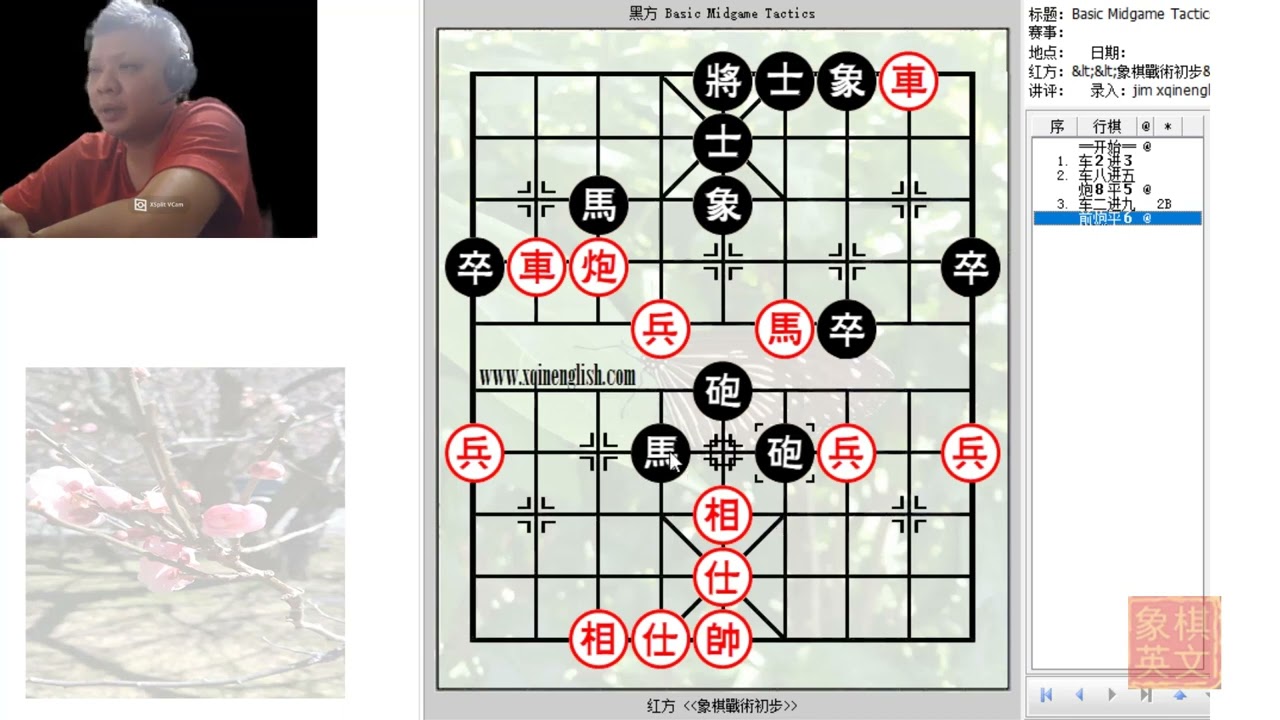
The ultimate sacrifice in Xiangqi involves giving up your strongest piece: the Chariot (Ju / 車). When an opponent has a complete Full Guard (2 Advisors, 2 Elephants), it can feel impossible to break through. A common master-level tactic is slamming a Chariot directly into the central Advisor.
- This forces the enemy General or the other Advisor to capture back.
- The protective shell around the General is instantly shattered.
- Your remaining Horse and Cannon combination can then execute a flawless checkmate before the opponent's Chariot can return to help.
4 Rules for Executing a Successful Attacking Sacrifice
Before you surrender a major piece for an offensive drive, calculate your lines using these four mandatory principles.
Rule 1: Count Your Attacking Units
A sacrifice reduces your total fighting force. As a general rule of thumb, you must have at least two active attacking pieces remaining near the enemy Palace after the sacrifice is made. A lone Chariot or a lone Horse cannot checkmate a General on its own; your remaining pieces must be coordinated.
Rule 2: Evaluate the Speed of the Counter-Attack
When you offer a piece, you are giving your opponent material power. You must ask yourself: If my attack fails to checkmate in 5 to 7 moves, does my opponent have a fast counter-attack on the other flank? If the enemy can easily launch a counter-raid, your sacrifice is structurally unsound.
Rule 3: Deny the Opponent Trades
The defender’s primary goal when ahead in material is to simplify the board by trading pieces. When executing a sacrifice, you must position your remaining forces so that the opponent cannot force a Chariot or Cannon trade. Forcing a trade neutralizes your attacking momentum and seals your defeat.
Rule 4: Identify the "Point of No Return"
Once you click or move a piece into a sacrificial square, you have committed to an aggressive strategy. You cannot hesitate halfway through. Transition your mindset completely from positional maneuvering to tactical calculation.
Summary Matrix: Material Value vs. Tactical Gain
To help balance your calculations, consider what you are buying when you give up a piece:
| Piece Sacrificed | Average Material Cost | Expected Positional Gain | Ideal Target Phase |
|---|---|---|---|
| Pawn (Crossing River) | Low (1 Point) | Gains 1-2 crucial tempos; opens files for Chariots. | Middlegame |
| Horse / Cannon | Medium (4-4.5 Points) | Destroys 1 Advisor/Elephant; creates immediate mating nets. | Mid-to-Endgame |
| Chariot | High (9 Points) | Absolute destruction of the Palace; immediate forcing checkmate lines. | Deep Middlegame |
Conclusion: Practice Sacrificial Calculation
Learning when to execute a sacrifice requires deep calculation and trial. To practice without risking your rating, explore tactical puzzle collections on Xiangqi App focusing on checkmate combinations. For deeper automated review, input your tactical positions into Sachess Analysis Engine to find hidden defensive moves you might have missed during your live calculation.
Comments (0)
You need to log in to join the discussion.
No comments yet. Be the first to share your thoughts!