Why Western Chess Players Should Try Xiangqi: The Ultimate Brain Upgrade
Table of Contents
- 1. Break Free from Over-Memorized Opening Theory
- Xiangqi shatters this paradigm.
- 2. Master the Explosive Geometry of the Cannon
- 3. Experience Heart-Pounding, Immediate Tactical Speed
- Xiangqi is an immediate, chaotic firefight.
- 4. Train Your Brain with the "Blocked Horse" Dilemma
- 5. It Cross-Trains Your Chess Skills (The Ultimate Sandbox)
- Conclusion: How to Start Today
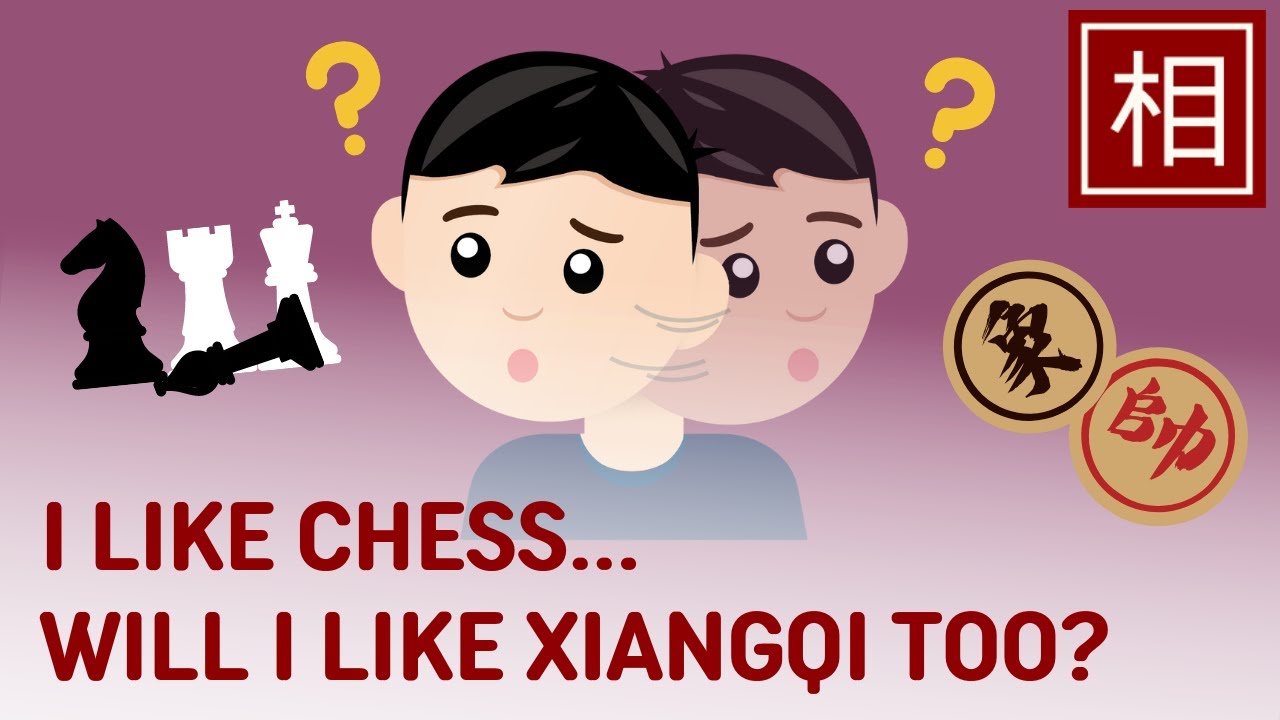
If you are a Western Chess player, you know the exact feeling of hitting a theoretical wall. You sit down to play, only to face an opponent who has memorized twenty moves of deep computer engine preparation in the Queen's Gambit Declined. The game turns into a test of memory rather than a test of raw, organic creativity. If you are looking to break free from rigid opening theory, sharpen your tactical vision, and inject absolute excitement back into your board game routine, it is time to look east. There are definitive reasons why western chess players should try xiangqi (Chinese Chess). Far from being a completely alien game, Xiangqi offers a familiar yet profoundly liberating alternative that will actually make you a sharper, more creative player when you return to the traditional 64 squares.
1. Break Free from Over-Memorized Opening Theory
The biggest complaint among modern intermediate and advanced chess players is the sheer volume of mandatory opening theory. At certain levels, playing chess can feel like reciting a script written by a computer.
Xiangqi shatters this paradigm.
While Xiangqi certainly possesses a deep, centuries-old theoretical framework, its opening phase is vastly more dynamic and forgiving of improvisation.
- Because the pieces start with massive open spaces between them, you do not spend ten moves slowly fighting for a closed center.
- Long-range pieces clash almost immediately.
- This allows you to rely on pure tactical intuition and calculation from move three, rather than struggling to remember an obscure variation you read in a book three months ago.
2. Master the Explosive Geometry of the Cannon
The single greatest mechanical reason to pick up Xiangqi is the Cannon (Pào). It is a piece unlike anything found in Western Chess, and it will fundamentally rewire how your brain visualizes geometric lines of attack. The Cannon moves exactly like a Rook, traveling in straight orthogonal lines. However, to capture an enemy piece, it must leap over exactly one intervening piece—whether friendly or hostile—known as a "screen" or a platform.
[Cannon] ------> [Any Piece (Screen)] ------> [Target Captured!]
This single rule introduces a completely unique layer of spatial tactics:
- A square that is perfectly safe one moment can become a lethal checking zone the next, simply because a piece stepped in between to act as a screen.
- You will learn to launch attacks through your own defensive pieces.
- The shifting geometry of Cannon lines will train your eyes to scan the entire board for hidden, multi-layered tactics, a skill that will drastically improve your chess pattern recognition.
3. Experience Heart-Pounding, Immediate Tactical Speed
Western Chess is often a slow, methodical grind. Armies slowly marshal behind interlocking pawn walls, and maneuvering a minor piece to a weak square can take five to ten moves.
Xiangqi is an immediate, chaotic firefight.
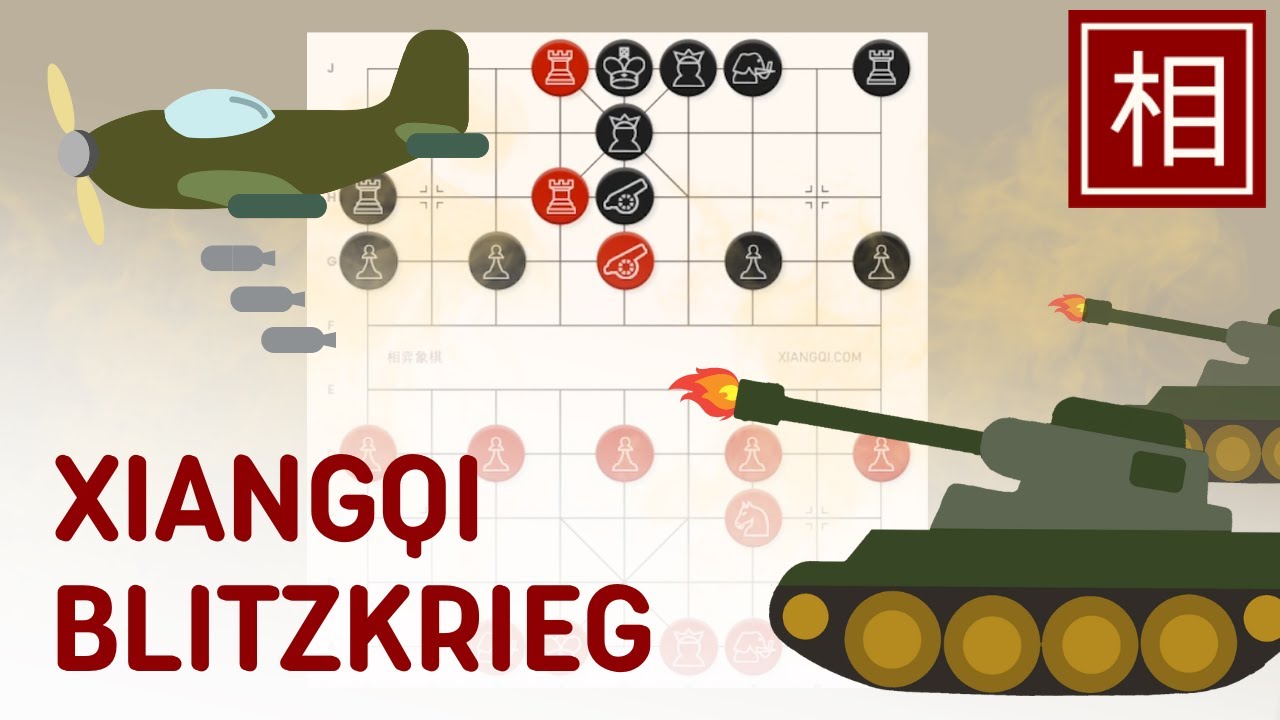
The game features only 5 soldiers (pawns) per side, and they are spaced widely apart. There is no massive pawn wall to block your view. The Chariots (Rooks) and Cannons can cross the central River and infiltrate the enemy camp on the very first few moves. For chess players who love sharp, highly tactical tactical positions—like the King's Gambit or the Sicilian Najdorf—Xiangqi feels like an adrenaline shot. It forces you to calculate deep, forcing variations under immediate pressure right from the opening bell.
4. Train Your Brain with the "Blocked Horse" Dilemma
In Western Chess, the Knight is a slippery trickster because it can completely ignore surrounding pieces and leap over obstacles. It is the ultimate close-quarters combatant. Xiangqi features the Horse, which moves in an identical "L" shape but with one massive catch: it can be physically blocked (a rule called Bié Mǎ Tuǐ). If a piece occupies the intersection directly adjacent to the Horse along its straight path, it cannot make its diagonal jump in that direction.
[Horse] ---> [Blocking Piece] ---> (Path to Target Is Blocked!)
This creates a fascinating tactical dynamic. You can completely neutralize a powerful enemy attacking Horse not by capturing it, but by stepping a humble soldier forward to block its leg. Learning to manage the claustrophobia of blocked Horses will dramatically upgrade your micro-coordination skills and defensive foresight.
5. It Cross-Trains Your Chess Skills (The Ultimate Sandbox)
Athletes use cross-training to build muscles they neglect during their main sport. Playing Xiangqi is the ultimate mental cross-training for a chess player.
| Skill Upgraded | How Xiangqi Transforms Your Chess Game |
|---|---|
| Long-Range Vision | Calculating shifting Cannon screens trains you to spot sneaky, long-distance skewers and pins. |
| King Safety Awareness | The restricted 3x3 Palace fortress forces you to master tight, hyper-efficient king defense patterns. |
| Dynamic Piece Coordination | Since Xiangqi lacks permanent pawn walls, you learn to evaluate positions based entirely on raw piece mobility. |
| Calculation Speed | The mathematically higher game-tree complexity of Xiangqi forces your brain to calculate deeper move variations faster. |
When you return to Western Chess after a few weeks of Xiangqi, you will notice that the 8x8 grid feels visually smaller, easier to control, and far more manageable.
Conclusion: How to Start Today
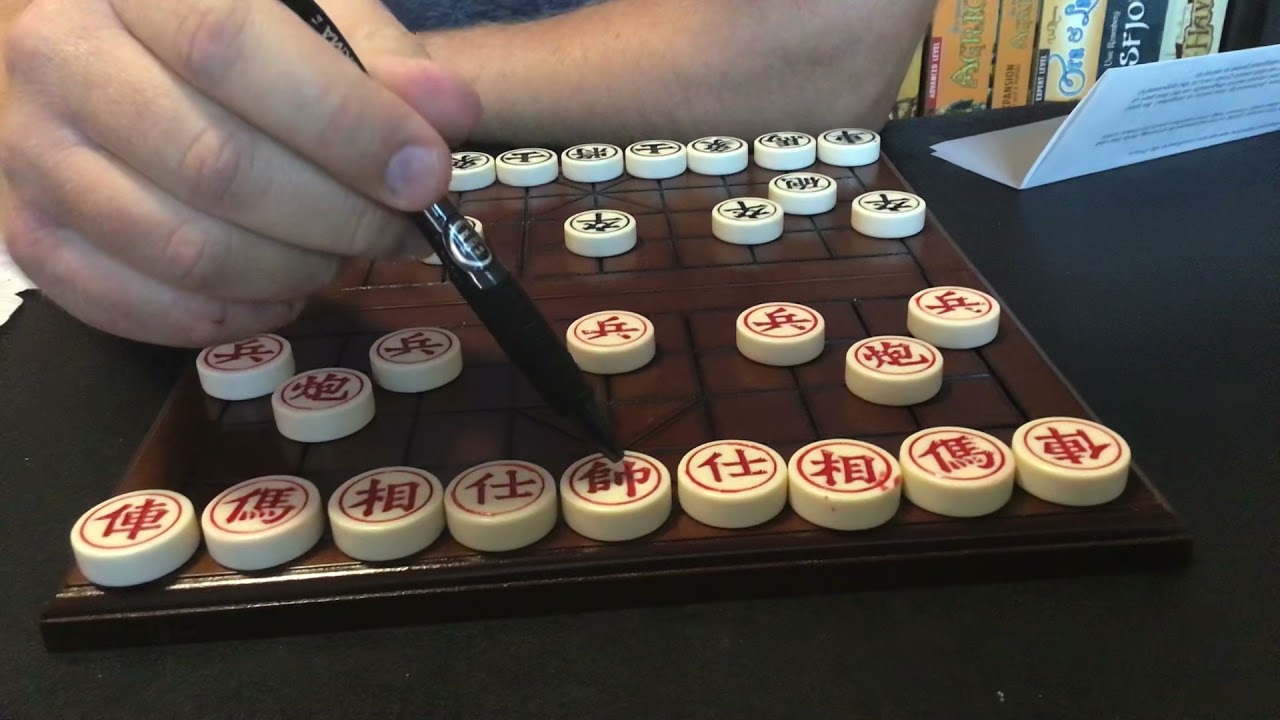
You do not need to learn a new language to play. While the circular discs use Chinese characters, you can memorize the visual icons in under twenty minutes, or simply use a modern app with Westernized graphical pieces. As a chess player, you already possess the strategic hardware. Xiangqi simply gives you a brand-new, incredibly thrilling software upgrade.
Comments (0)
You need to log in to join the discussion.
No comments yet. Be the first to share your thoughts!