Mastering the Chariot Endgame Tactics in Xiangqi (Chinese Chess)
Table of Contents
- The Core Value of the Chariot in the Endgame
- Essential Chariot Endgame Tactical Patterns
- 1. Lone Chariot vs. Defense Formations
- 2. The Power of Chariot and Partner Combinations
- 4 Crucial Tactical Principles for Chariot Endgames
- Principle 1: Utilize the "Flying General" Rule
- Principle 2: Master the Waiting Move (Trident Tactics)
- Principle 3: Pinning and Restricting
- Principle 4: Tie Up the Opponent's Chariot
- Common Mistakes to Avoid in Chariot Endgames
- Conclusion: How to Practice Chariot Tactics
In Xiangqi (Chinese Chess), the Chariot (Ju / 車) is universally recognized as the absolute strongest piece on the board. While its long-range orthogonal mobility dominates the opening and middlegame, its importance skyrockets when the board clears. Transitioning into the final phase of the game means understanding advanced chariot endgame tactics xiangqi to convert material advantages into definitive checkmates or salvage impossible draws. Whether you are controlling a lone Chariot or combining it with Cannons and Horses, mastery over the endgame requires deep tactical familiarity. This comprehensive guide breaks down the core principles, essential winning patterns, and advanced positional tactics for the Xiangqi Chariot endgame.
The Core Value of the Chariot in the Endgame
Unlike the Cannon, which loses its firepower as the board empties and defensive screens disappear, the Chariot maintains full strength. Its role shifts from a fluid attacker to an executioner and a positional jailer. In advanced endgame theory, standard piece evaluations establish a structural priority when combining forces with a Chariot: The presence of a single Chariot completely alters defensive fortresses. It can pin down opponent defenders, force awkward structural blockades within the Palace, and create mating nets using the baseline or the central file.
Essential Chariot Endgame Tactical Patterns
To improve your endgame execution, you must study standard winning and drawing patterns. Here are the foundational tactical layouts you will encounter in high-level match play.
1. Lone Chariot vs. Defense Formations
Can a single Chariot defeat an opponent's defense? It depends entirely on what pieces remain in their Palace.
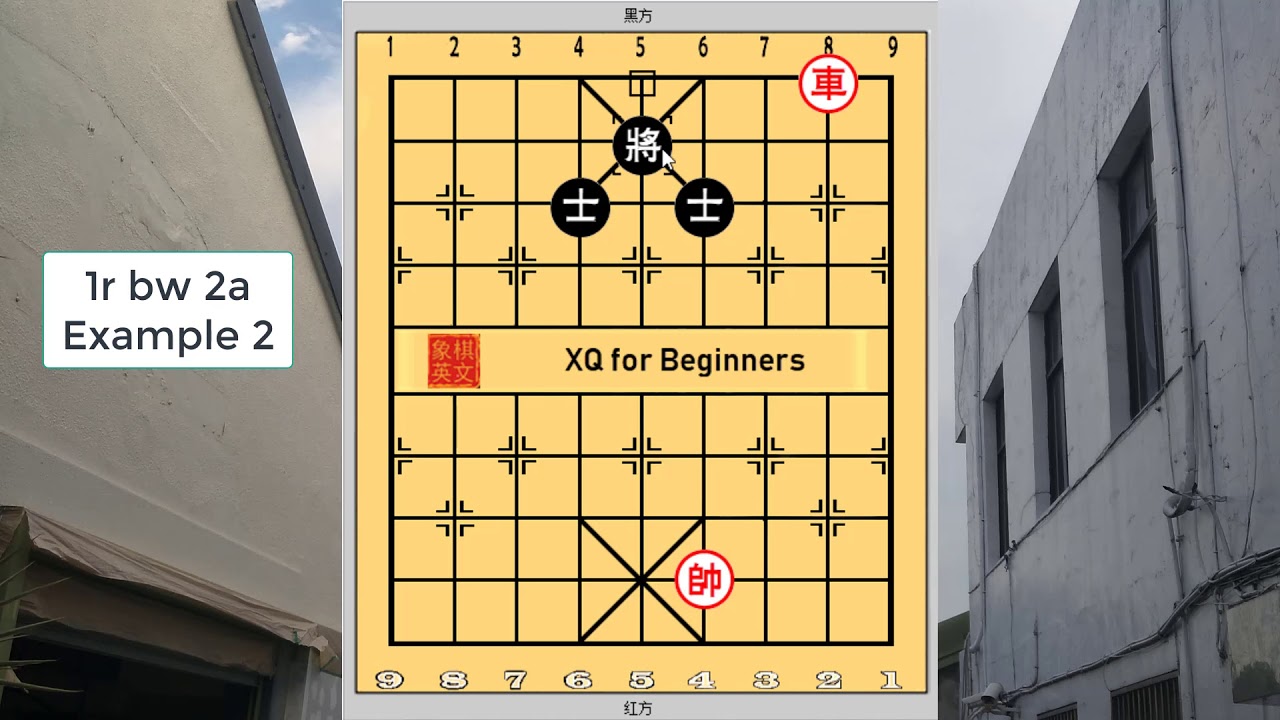
- Chariot vs. Double Advisors (2A): This is a theoretical win for the Chariot. The attacker uses the Chariot to pin the Advisors against their own General, forcing a structural collapse. By restricting the General's movement, you can win an Advisor by force.
- Chariot vs. Double Elephants (2E): This is a theoretical win. A lone Chariot easily exploits the lack of close-range protection within the Palace, picking off the Elephants when they are unlinked.
- Chariot vs. Full Guard (2A2E): This is a theoretical draw. If the defender coordinates their Advisors and Elephants properly, a lone Chariot cannot breach the fortress on its own.
2. The Power of Chariot and Partner Combinations
When the Chariot is paired with a minor piece, its attacking efficiency doubles.
| Attacking Combination | Opponent Defense | Typical Outcome | Tactical Key Point |
|---|---|---|---|
| Chariot + Horse | Chariot + 2 Advisors | Win | Requires at least one friendly Advisor for protection. |
| Chariot + Horse | Chariot + 2 Elephants | Win | The Horse creates short-range forks while the Chariot controls files. |
| Chariot + Cannon | Bare Chariot | Draw | Difficult to win if the defending Chariot keeps the center clear. |
| Chariot + Pawn | Full Guard (2A2E) | Win | The Pawn acts as a close-range spearhead while the Chariot restricts. |
4 Crucial Tactical Principles for Chariot Endgames
To execute flawless chariot endgame tactics xiangqi, you must apply specific strategic principles to your endgame calculation.
Principle 1: Utilize the "Flying General" Rule
The Flying General (飛將) rule states that the two Kings/Generals cannot face each other directly on the same file without any intervening pieces. In the endgame, your General acts as a secondary Chariot. text
   [Black Palace]
   .   将   .  (Black General)
   .   |   .
=======|======= (River)
   .   |   .
   .   帅   .  (Red General controls the central file)
   [Red Palace]
By placing your General on the central file or an open flank, you create an invisible wall. Your Chariot can then execute checks on the opposite flank, knowing the opponent's General cannot escape to the center file due to the face-to-face check rule.
Principle 2: Master the Waiting Move (Trident Tactics)
When an opponent's defense is perfectly coordinated, direct threats will not work. You must use a waiting move to force them into Zugzwang—a position where any move they make weakens their defense. For example, sliding your Chariot one space along a safe rank changes the tempo. It forces the opponent to move an Advisor or Elephant out of alignment, instantly creating a tactical crack in their defensive wall.
Principle 3: Pinning and Restricting
The long-range sweep of the Chariot allows it to lock multiple defensive pieces along a single rank or file.
- The Rib File Pin: Position your Chariot on the 4th or 6th file (the rib files). This cuts the Palace in half and restricts the enemy General to a single vertical lane.
- The Throat Rank Pin: Place your Chariot on the rank directly in front of the opponent's Palace. This blocks the Elephants from connecting and stops the Advisors from moving freely.
Principle 4: Tie Up the Opponent's Chariot
If you have a material advantage (e.g., Chariot and Horse versus Chariot and Full Guard), your goal is to force the defending Chariot into a passive role. Use your Chariot to threaten vital targets so the enemy Chariot is forced to defend them constantly. Once their strongest piece is anchored to a defensive spot, your minor pieces can freely dismantle the remaining Palace structure.
Common Mistakes to Avoid in Chariot Endgames
Even advanced players blunder in simplified positions. Avoid these traps:
- Allowing Perpetual Checks: Xiangqi has strict rules against perpetual checking. Forcing an endless loop of checks will result in an automatic technical loss. Make sure your Chariot leaves an escape route for your own king while hunting the opponent.
- Rushing the Pawns: If you have a Chariot and a Pawn, advancing your Pawn to the lowest baseline too quickly reduces its lateral mobility, neutralizing its value.
- Losing the Center File: Letting your opponent's General seize the middle file forces your Chariot into passive, defensive coverage.
Conclusion: How to Practice Chariot Tactics
Mastering the chariot endgame tactics xiangqi takes structured study and pattern recognition. To improve quickly, check out tactical resources on platforms like the Xiangqi App for interactive puzzle solving. Analyzing classic endgames using an engine like Sachess Endgame Analysis will help you see forcing lines clearly.
Comments (0)
You need to log in to join the discussion.
No comments yet. Be the first to share your thoughts!