What Do the Pieces in Xiangqi Mean? A Beginner’s Guide to Chinese Chess Symbolism
Table of Contents
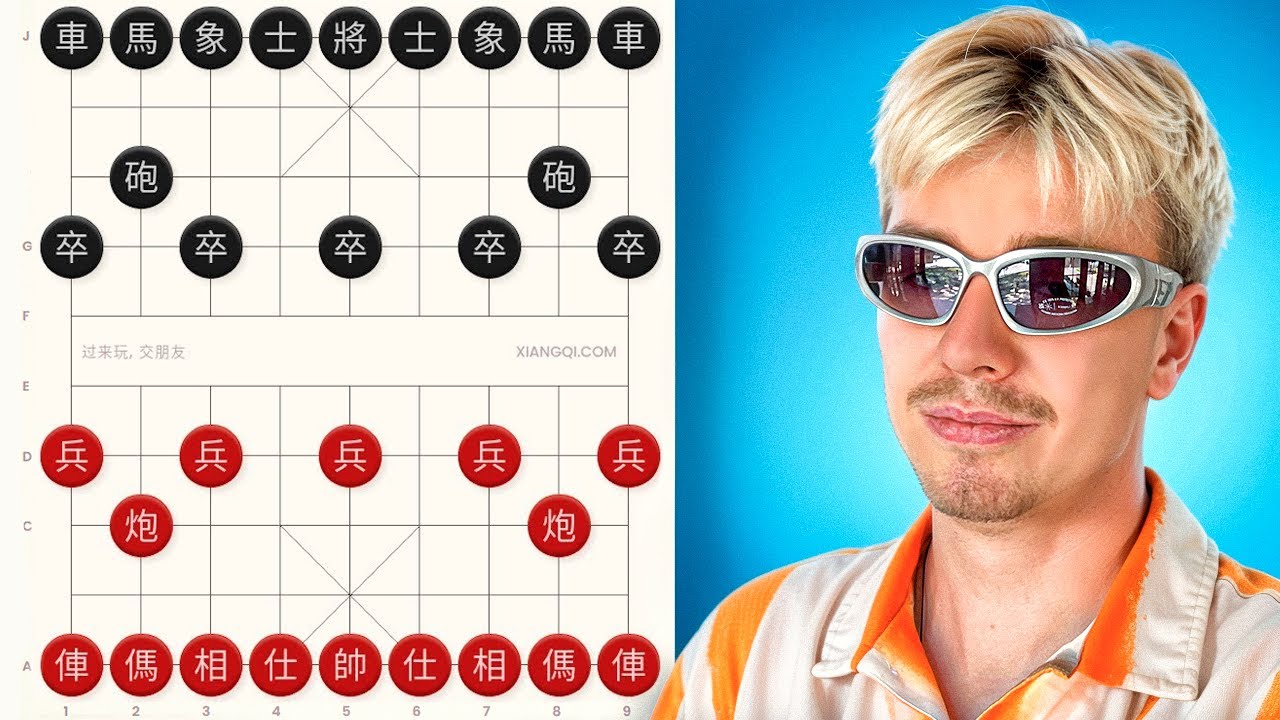
If you look closely at a Xiangqi (象棋) board, you are not just looking at a game; you are looking at an ancient battlefield. Unlike Western chess, which mirrors medieval European society, Chinese Chess is a simulation of ancient Chinese warfare, specifically inspired by the historic Chu-Han Contention (206–202 BC). Every piece represents a specific military rank or asset, and the characters stamped on them tell a story of strategy, duty, and status. Here is what the pieces in Xiangqi mean, broken down by their cultural symbolism and gameplay roles.
1. The Battlefield: A War of Two Dynasties
Before looking at the pieces, the board itself sets the historical stage. The wide gap in the middle represents The River (鴻溝 - Honggou), which historically divided the rival states of Chu and Han. The two armies—traditionally Red and Black—represent these competing factions. Red typically symbolizes the Chu forces, while Black represents the Han forces. Because it represents a strict military camp, your leader is confined to The Nine Palaces, a secure fortress at the back of the board.
2. Meaning of the Xiangqi Pieces
The two sides often use different Chinese characters for the same piece. Red characters usually imply defensive majesty, while Black characters carry an aggressive, invading tone.
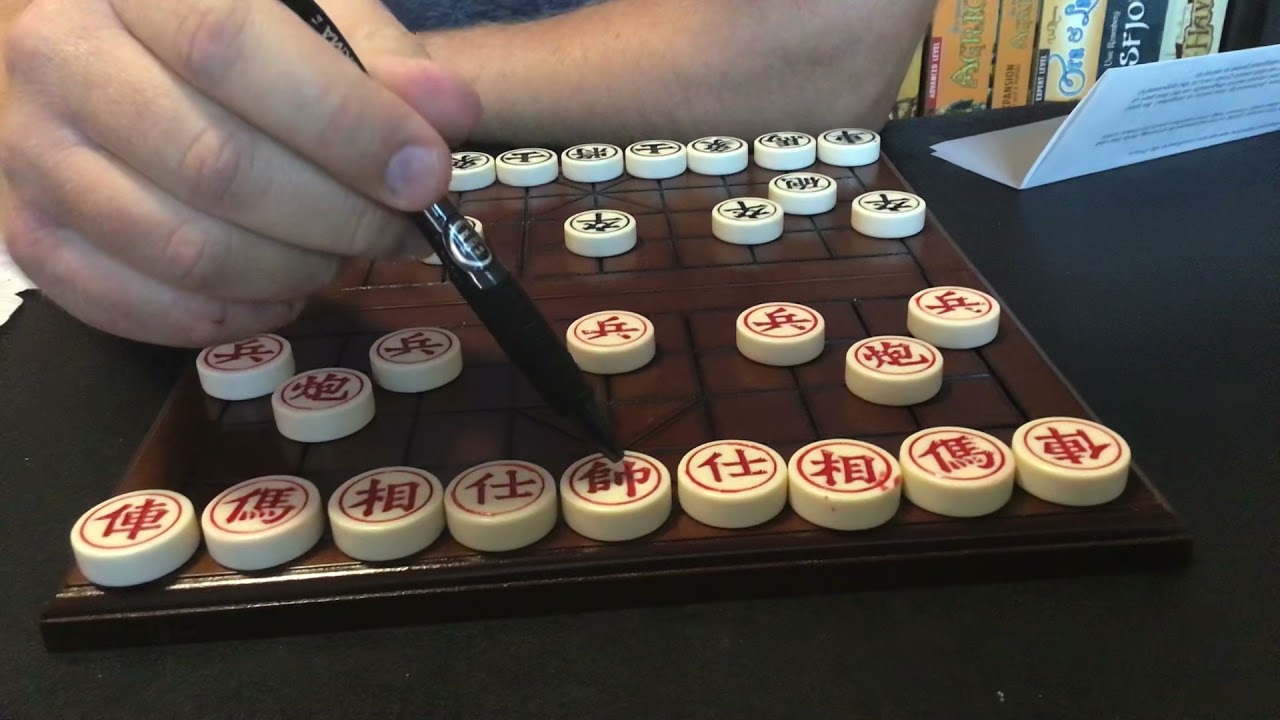
The General (帥 / 將)
- Red Character: 帥 (Shuài) – Meaning: Supreme Commander / Marshal
- Black Character: 將 (Jiàng) – Meaning: General
- The Symbolism: This is the highest-ranking military official. In ancient Chinese warfare, the Supreme Commander directed the battle from a secure, heavily guarded central tent. He did not fight on the front lines. This is why the General is legally confined to the Nine Palaces and cannot leave.
The Advisor (仕 / 士)
- Red Character: 仕 (Shì) – Meaning: Court Official / Scholar
- Black Character: 士 (Shì) – Meaning: Bodyguard / Warrior
- The Symbolism: These pieces represent the ruler's innermost circle of trusted intellectuals and personal elite guards. Their job is purely protective. Because their duties are tied strictly to the safety of the Commander, they never leave the fortress (Nine Palaces) and move only on diagonal lines to form a shield.
The Elephant (相 / 象)
- Red Character: 相 (Xiàng) – Meaning: Chancellor / Prime Minister
- Black Character: 象 (Xiàng) – Meaning: Elephant
- The Symbolism: This piece has a brilliant double meaning. Homophonically, both characters sound like "Xiang," but Red represents the civil government (the Minister organizing logistics), while Black represents literal war elephants used for heavy defense. They move in large leaps but cannot cross the River, symbolizing that heavy defense or political administrators stay behind to manage the homeland.
The Chariot (俥 / 車)
- Red Character: 俥 (Jū) – Meaning: War Chariot (with a person radical)
- Black Character: 車 (Chē) – Meaning: Cart / Vehicle
- The Symbolism: The Chariot represents the ultimate heavy cavalry of ancient warfare. In Chinese history, the number of war chariots a kingdom possessed measured its military might. Because chariots charge through open battlefields with devastating speed, this piece is the most powerful on the board, moving in unrestricted straight lines across the entire grid.
The Horse (傌 / 馬)
- Red Character: 傌 (Mà) – Meaning: War Horse (with a person radical)
- Black Character: 馬 (Mǎ) – Meaning: Horse
- The Symbolism: This piece represents the agile, tactical cavalry. Unlike the Chariot, a horse cannot simply plow through barricades; it must navigate around terrain and troops. This historical reality is perfectly mirrored in the rules: if a piece stands directly next to the Horse, its path is blocked ("blocking the Horse's leg").
The Cannon (炮 / 砲)
- Red Character: 炮 (Pào) – Meaning: Fire Cannon (uses the "fire" radical 火)
- Black Character: 砲 (Pào) – Meaning: Stone Trebuchet (uses the "stone" radical 石)
- The Symbolism: This piece showcases the evolution of military technology. The Black character represents ancient stone-throwing catapults, while the Red character represents gunpowder artillery introduced in later dynasties. Both weapons require firing over a barricade or a wall to hit a distant target, which is why the piece must jump over a "screen" to capture an enemy.
The Soldier (兵 / 卒)
- Red Character: 兵 (Bīng) – Meaning: Regular Soldier
- Black Character: 卒 (Zú) – Meaning: Foot Soldier / Pawn
- The Symbolism: These are the frontline infantrymen. They form the initial wall of defense and push forward into enemy lines. In ancient warfare, desertion was punishable by death; troops could only march forward. In Xiangqi, Soldiers can never move backward. However, once they successfully cross the River into enemy territory, they gain the freedom to move sideways, representing seasoned veterans infiltrating enemy ranks.
If you want to dive deeper into the gameplay, let me know if you would like me to explain how these piece roles translate into tactical combinations, or if you want a guide on how to easily memorize the characters by their visual shapes!
Comments (0)
You need to log in to join the discussion.
No comments yet. Be the first to share your thoughts!