Xiangqi Rules Explained Simply: A Beginner’s Guide to Chinese Chess
Table of Contents
- The Core Objective: Capture the General
- Understanding the Battlefield
- Meet the Pieces and How They Move
- 1. The General (The King)
- 2. The Advisor (The Guard)
- 3. The Elephant
- 4. The Horse (The Knight)
- 5. The Chariot (The Rook)
- 6. The Cannon
- 7. The Soldier (The Pawn)
- Setting Up the Board
- 3 Golden Rules for Beginners
If you have ever seen people crowded around a park bench playing a fast-paced game with round wooden discs, you have likely witnessed Xiangqi (象棋), or Chinese Chess. While the board and the pieces might look intimidating at first glance, the core mechanics are actually incredibly straightforward. If you want to learn the game without getting bogged down in dense jargon, you are in the right place. Here are the Xiangqi rules explained simply so you can start playing right away.
The Core Objective: Capture the General
Just like in Western chess, the ultimate goal of Xiangqi is to trap the enemy leader. In Chinese Chess, this leader is called the General. You win the game by putting the opponent’s General into "checkmate"—a situation where the General is under direct attack and has no legal moves left to escape.
Understanding the Battlefield
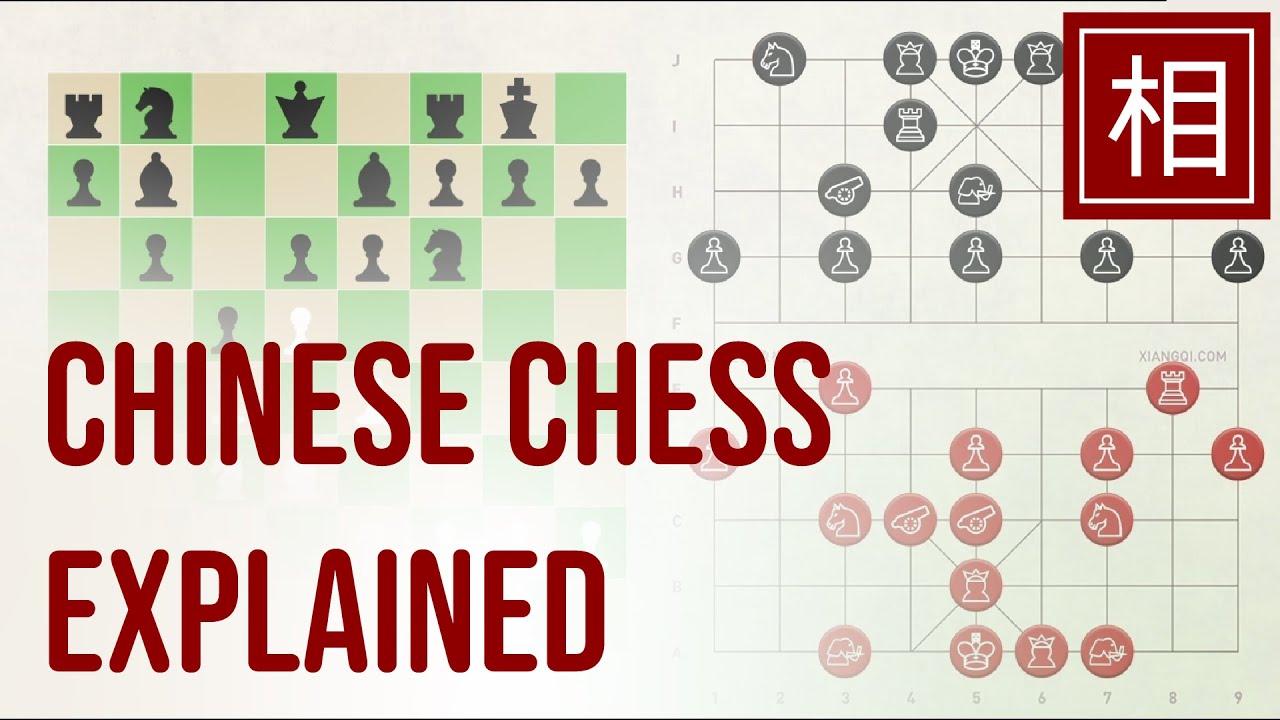
Xiangqi is played on a grid of lines. Unlike Western chess, where pieces sit inside the squares, Xiangqi pieces sit on the intersections of these lines, called points. The board has two unique features that completely change how the game is played:
- The River: This is the blank horizontal space running through the exact middle of the board. It splits the grid into two territories. Some pieces cannot cross it, while others get stronger once they do.
- The Nine Palaces: This is the 3x3 grid on each side marked with a large diagonal "X". Think of it as a fortress. Your most important defensive pieces are locked inside this area.
Meet the Pieces and How They Move
Each player commands 16 pieces. One player controls the Red army, and the other controls Black. Here is how each piece behaves, simplified:
1. The General (The King)
- Where it lives: Inside the Nine Palaces.
- How it moves: One step at a time, either horizontally or vertically.
- Special Rule: It can never leave the Nine Palaces. Also, the two opposing Generals can never face each other on the same open line with nothing between them. Doing so is illegal.
2. The Advisor (The Guard)
- Where it lives: Inside the Nine Palaces.
- How it moves: One step at a time, strictly diagonally along the lines of the "X".
- Special Rule: Like the General, it can never leave the Nine Palaces. Its sole job is to shield the leader.
3. The Elephant
- How it moves: Exactly two points diagonally (making a large "V" shape).
- Special Rule: It is a purely defensive piece and cannot cross the River. Additionally, if another piece is standing on the intermediate point of its diagonal jump, the Elephant is blocked and cannot move there.
4. The Horse (The Knight)
- How it moves: One point straight (up, down, left, or right), and then one point diagonally outward. It is very similar to the L-shape in Western chess.
- Special Rule: The Horse can be blocked. If another piece is standing on the point directly adjacent to the Horse before it makes its diagonal turn, its path is blocked in that direction.
5. The Chariot (The Rook)
- How it moves: Any number of empty points in a straight line, horizontally or vertically.
- Special Rule: This is the most powerful piece on the board due to its speed and freedom of movement.
6. The Cannon
- How it moves: Exactly like the Chariot when moving normally (straight lines).
- How it captures: To take an enemy piece, the Cannon must jump over exactly one piece of any color (called a "screen"). It bypasses that middle piece and lands directly on the target.
7. The Soldier (The Pawn)
- How it moves: One point straight forward.
- Special Rule: Before crossing the River, it can only move forward. Once it crosses the River into enemy territory, it gains the power to move left or right by one point as well. It can never move backward.
Setting Up the Board
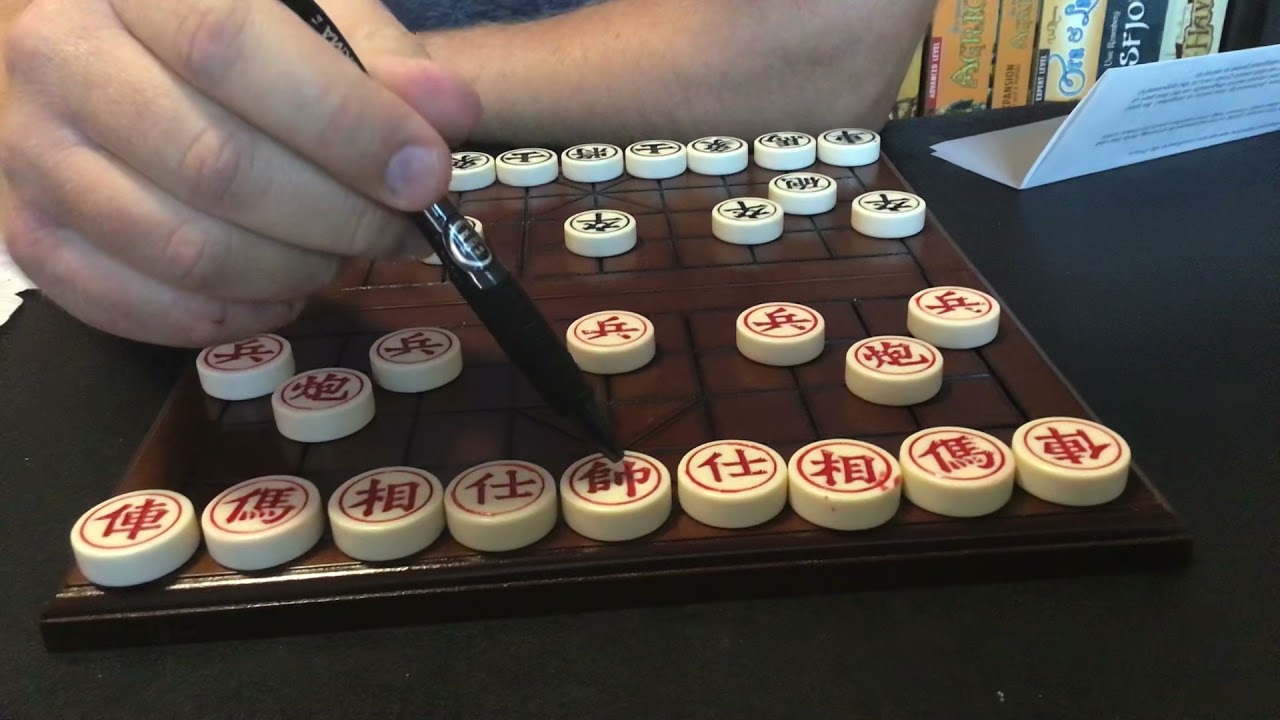
To set up your board, place your pieces on the intersections of your side's first four rows:
- Row 1 (Closest to you): Place the General in the center. Put the two Advisors next to him, followed by the two Elephants, the two Horses, and finally the two Chariots on the very corners.
- Row 3: Place your two Cannons on the two marked intersections directly ahead of your Horses.
- Row 4: Place your five Soldiers on the alternate intersections along the line right before the River.
3 Golden Rules for Beginners
To make sure your first game goes smoothly, keep these three essential rules in mind:
- Red Moves First: The Red side always starts the game.
- Capturing: You capture an enemy piece simply by landing on its intersection. The captured piece is taken off the board for the rest of the game.
- No Perpetual Checking: You cannot repeat the exact same moves to check or chase your opponent's pieces forever to force a draw. The attacking player must change their strategy, or they will automatically lose.
If you want to get started with your first match, let me know if you would like me to share the most common opening traps to avoid, or explain how to read the characters printed on the pieces easily.
Comments (0)
You need to log in to join the discussion.
No comments yet. Be the first to share your thoughts!